
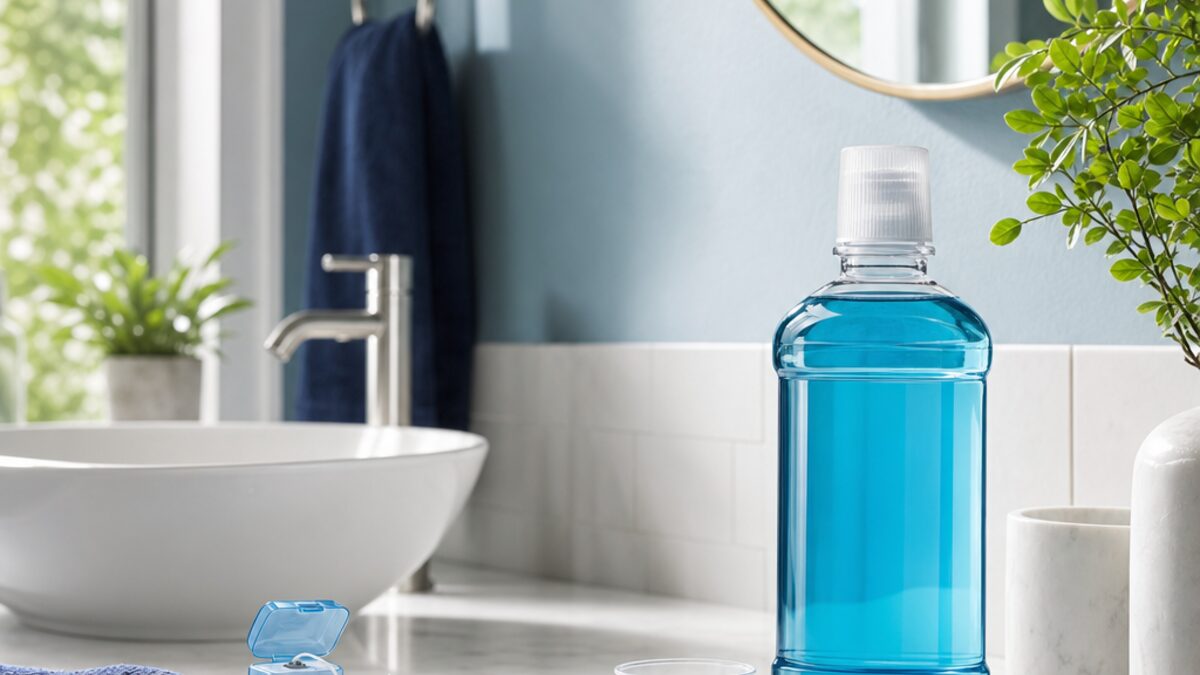
How to Use Mouthwash Correctly for Better Oral Health
A fresh taste after rinsing can feel welcome after a busy day, a commute, or lunch in Amstelveen. Still, mouthwash is not a shortcut around daily oral care. Depending on its ingredients, it may support fluoride protection, offer a temporary fresh feeling, or form part of a plan advised by a dental professional. The foundation remains brushing twice a day with fluoride toothpaste and cleaning between the teeth daily. Our healthy teeth at home guide explains how to build those habits.
The most suitable rinse depends on your teeth, gums, age and reason for using it. Read the label and follow any individual advice you have received. This article is general education, not a diagnosis. If you have pain, swelling, fever, or swelling that is quickly getting worse in the mouth or face, seek dental advice the same day.
What mouthwash can and cannot do
Mouthwash flows around areas you may find hard to reach, but it cannot physically remove the sticky plaque on teeth and at the gumline in the way brushing can. It also does not reliably clear food debris or plaque from between teeth. Interdental brushes, floss, or another suitable interdental aid still matter. Think of mouthwash as one possible addition to your routine, rather than the routine itself.
A fluoride rinse can be useful for some people, such as those with a higher risk of tooth decay or those advised to use one by their dentist. Fluoride helps enamel resist acid attacks; it does not close a cavity or replace lost tooth structure. For everyday prevention habits, read our article on cavity prevention and tooth decay.
Timing matters: brush, clean between teeth, then rinse later
Clean between your teeth first, if that fits your routine, then brush for two minutes with fluoride toothpaste. Spit out after brushing, but avoid thoroughly rinsing with water: this can wash away some fluoride left by the toothpaste. If you also use a fluoride mouthwash, using it at a different time of day, such as after lunch or between meals, is often preferable. That gives the toothpaste fluoride time to remain on your teeth. Always follow the product instructions or advice from your clinician where they differ.
Use the measured amount stated on the bottle, swish for the recommended time and spit it out completely. Using more, swishing longer, or rinsing more often does not necessarily provide extra benefit and may make your mouth uncomfortable. Avoid eating or drinking immediately afterwards if the label advises this. A measuring cap is more reliable than pouring an estimated amount.
A simple daily plan
- Morning: clean between teeth when it works for you, brush for two minutes with fluoride toothpaste, then spit without rinsing with water.
- During the day: use mouthwash only if it suits a particular purpose; a fluoride rinse can often be used separately from brushing.
- Evening: brush carefully again; do not replace brushing with a rinse.
- If you have a tailored care plan: use the frequency and duration advised by your dentist or hygienist.
Fluoride, alcohol-free choices and antibacterial rinses
Fluoride mouthwashes come in different strengths and schedules. A low-strength daily product is different from one designed for less frequent use. Personal advice can be particularly helpful for children, people with a history of frequent decay, dry mouth, orthodontic appliances, or exposed root surfaces. A dental hygiene appointment is a practical opportunity to review brushing, interdental cleaning and rinsing together.
An alcohol-free mouthwash is a comfortable option for many adults, especially if the mouth feels dry, sensitive or easily irritated. Alcohol is not required for a rinse to be useful. If a product stings, leaves your mouth drier, or causes an unpleasant persistent taste, pause its use and seek advice if symptoms continue. A strong mint flavour alone does not indicate that a product addresses the cause of a problem.
Some antibacterial rinses are intended for short, specific periods under dental advice. They can have side effects, including staining, changes in taste, or irritation. Do not use them long term on your own initiative and do not dilute them unless the instructions say to do so. A persistent concern deserves assessment of its cause, rather than progressively stronger mouthwash.
Children and swallowing safety
Children who cannot reliably rinse and spit should not use mouthwash. They may swallow it, and fluoride products are not made to be swallowed. Keep bottles out of children’s reach. With older children, supervision is sensible: use only the labelled amount, practise first with water if needed, and make sure they spit it out. If you are uncertain, ask your dentist. A dental check-up is also a good time to discuss your child’s daily oral-care routine.
When bad breath or irritation needs a check
Mouthwash may mask an odour temporarily, but it does not necessarily address why it is there. Bad breath can be linked to tongue coating, gum inflammation, dry mouth, food, smoking, or concerns involving teeth and gums. If it continues despite careful brushing and interdental cleaning, arrange a check. Our guide to bad breath and halitosis covers common causes in more detail.
Arrange an appointment too if you have persistent burning, sores, bleeding gums, pain, loose teeth, swelling, pus, or a new taste that does not settle. A rinse can sometimes aggravate irritation and should not delay an assessment. With toothache or a suspected cavity, rinsing is not treatment; a dentist can assess whether care such as a dental filling is appropriate.
Get practical advice in Amstelveen
A sound routine does not need to be complicated: a suitable toothbrush, fluoride toothpaste, daily interdental cleaning, and check-ups at the interval recommended for you. Mouthwash is most useful when it has a clear purpose within that routine. If you have questions about fluoride, dry mouth, braces, recurring irritation, or bad breath, book an appointment with Dentinn Amstelveen. We can examine your mouth and offer practical, individual guidance on products and technique.
Frequently asked questions
Not necessarily. If you use a fluoride mouthwash, a separate time is often better so you do not immediately rinse away fluoride from toothpaste.