Tooth Enamel Erosion in Amstelveen: What Wears It Down and How to Protect It
Tooth enamel is the hardest substance the human body produces — harder than bone. Yet it has one critical weakness: it cannot repair itself. Once acid dissolves it, that enamel is gone permanently. The process is called dental erosion, and it's far more common than most people realise. At Dentinn in Amstelveen, we see early signs of erosion in patients of all ages, often linked to habits they had no idea were damaging.
What Is Tooth Enamel Erosion?
Erosion is the chemical dissolution of enamel by acid. It's distinct from tooth decay (which is caused by bacteria) — erosion doesn't need bacteria to happen. Any acid that touches the tooth surface can start dissolving enamel directly. The trouble is that acid is everywhere: in fruit juice, fizzy water, wine, vinegar, citrus, and even in your own stomach (if you suffer from acid reflux).
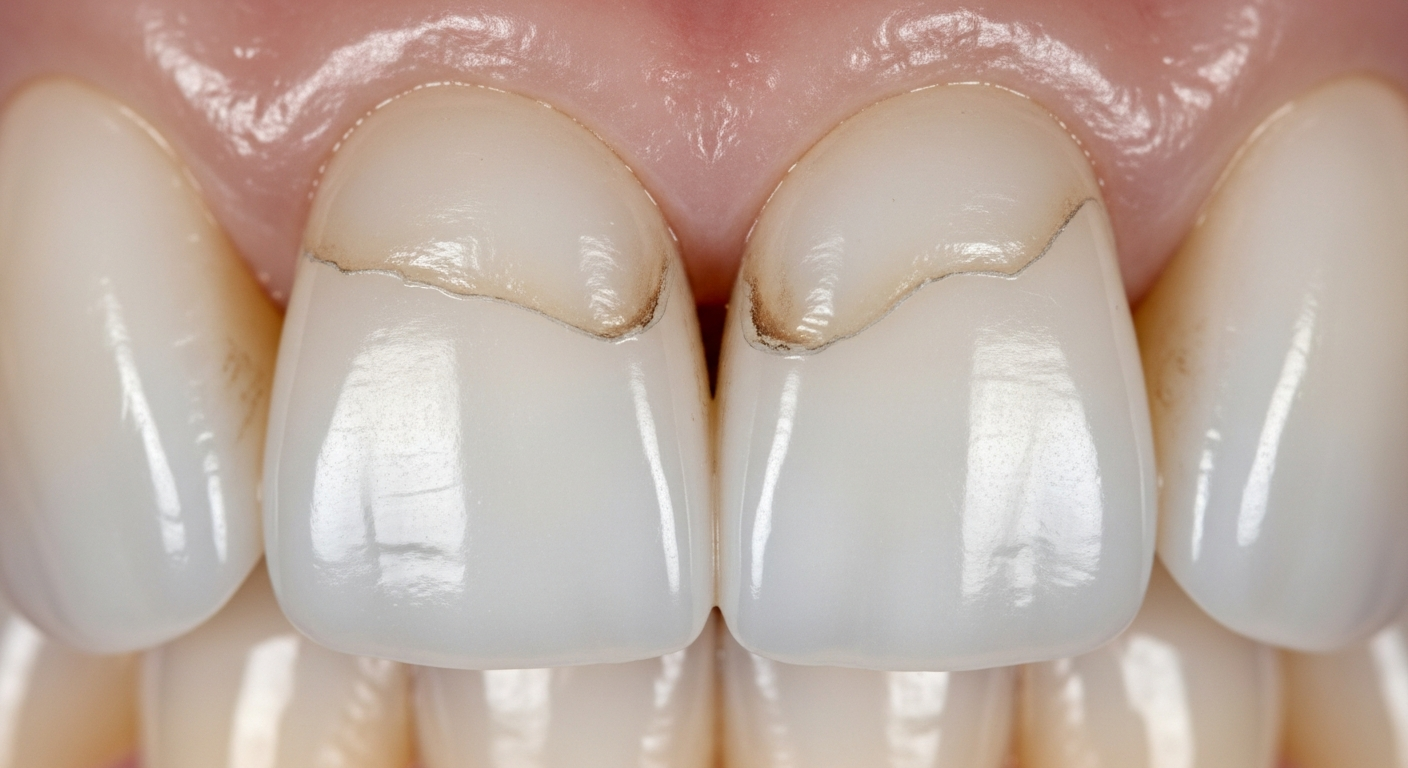
As enamel thins, teeth become increasingly sensitive, look more yellow (the darker dentine shows through), feel rougher on the surface, and are more vulnerable to chipping. By the time symptoms are obvious, significant damage has often already occurred.
The Biggest Culprits in Daily Life
- Fizzy drinks — including 'healthy' ones: sparkling water, kombucha, sparkling wine, energy drinks and diet sodas are all acidic. The bubbles make them feel light, but pH 3–4 hits enamel hard with every sip
- Fruit juice and smoothies: orange juice sits at pH 3.5 — comparable to vinegar. Drinking it slowly throughout the morning is far more erosive than drinking a glass at breakfast
- Frequent snacking: every time you eat, your mouth becomes acidic for 20–30 minutes. Three meals a day allows the saliva to neutralise between them; constant grazing does not
- Acid reflux (GERD): stomach acid (pH 1–2) reaching the mouth causes erosion on the inner surfaces of the upper teeth — a pattern Dr. Gundogdu can identify at a routine dental check-up
- Brushing immediately after acidic food or drink: enamel is temporarily softened by acid and especially vulnerable to abrasion in the 30 minutes that follow. Wait before brushing, or rinse with water first
What Early Erosion Looks Like
Unlike cavities, erosion affects large smooth surfaces rather than specific spots. Early signs include:
- Teeth that look slightly more transparent at the edges (especially the front teeth)
- Increased sensitivity to cold, sweet, or acidic food — related to the sensitive teeth we covered separately
- A slight yellowing as the darker dentine shows through thinning enamel
- Shallow scooped-out depressions on the biting surface of back teeth
At our dental check-ups, we photograph and track early erosion patterns so we can catch progression before restorative treatment becomes necessary.
How to Protect Your Enamel
- Drink acidic drinks quickly and through a straw: minimise the time acid is in contact with teeth — sipping slowly over an hour is far worse than drinking quickly
- Rinse with water after acidic food or drink: this raises the pH in your mouth and stops the acid attack. Wait 30–60 minutes before brushing
- Chew sugar-free xylitol gum: this stimulates saliva flow, which is your mouth's natural defence against acid
- Use a fluoride toothpaste and don't rinse after brushing: fluoride helps remineralise weakened enamel — leaving a thin film on your teeth overnight makes a real difference
- Ask about a professional fluoride treatment: our dental hygiene team can apply concentrated fluoride varnish that provides protection not achievable with toothpaste alone
When Erosion Needs Treatment
Mild erosion can often be managed and slowed with the right habits. But when enamel loss is significant — when teeth are visibly shorter, worn down at the edges, or sensitive enough to affect eating — restorative treatment may be needed. Options range from dental fillings and bonding for individual teeth to crowns for teeth that have lost substantial structure. The earlier we catch erosion, the simpler (and less expensive) the solution.
Book an Enamel Check at Dentinn
Erosion is easy to miss at home and easy to catch at a check-up. Our Amstelveen team will assess your enamel, identify the cause, and advise the right next steps.
Book an Appointment →Frequently Asked Questions
No — enamel cannot regenerate once dissolved. Fluoride can remineralise early-stage weakened enamel (before it actually dissolves), but fully lost enamel is permanent. This is why prevention matters so much.
📍 Dentinn Dental Clinic — Biesbosch 217, 1181 JC Amstelveen. Expert dental care in Dutch, English, and Turkish. Serving patients from Amsterdam, Diemen, Aalsmeer, and surrounding areas. Book your appointment today.