
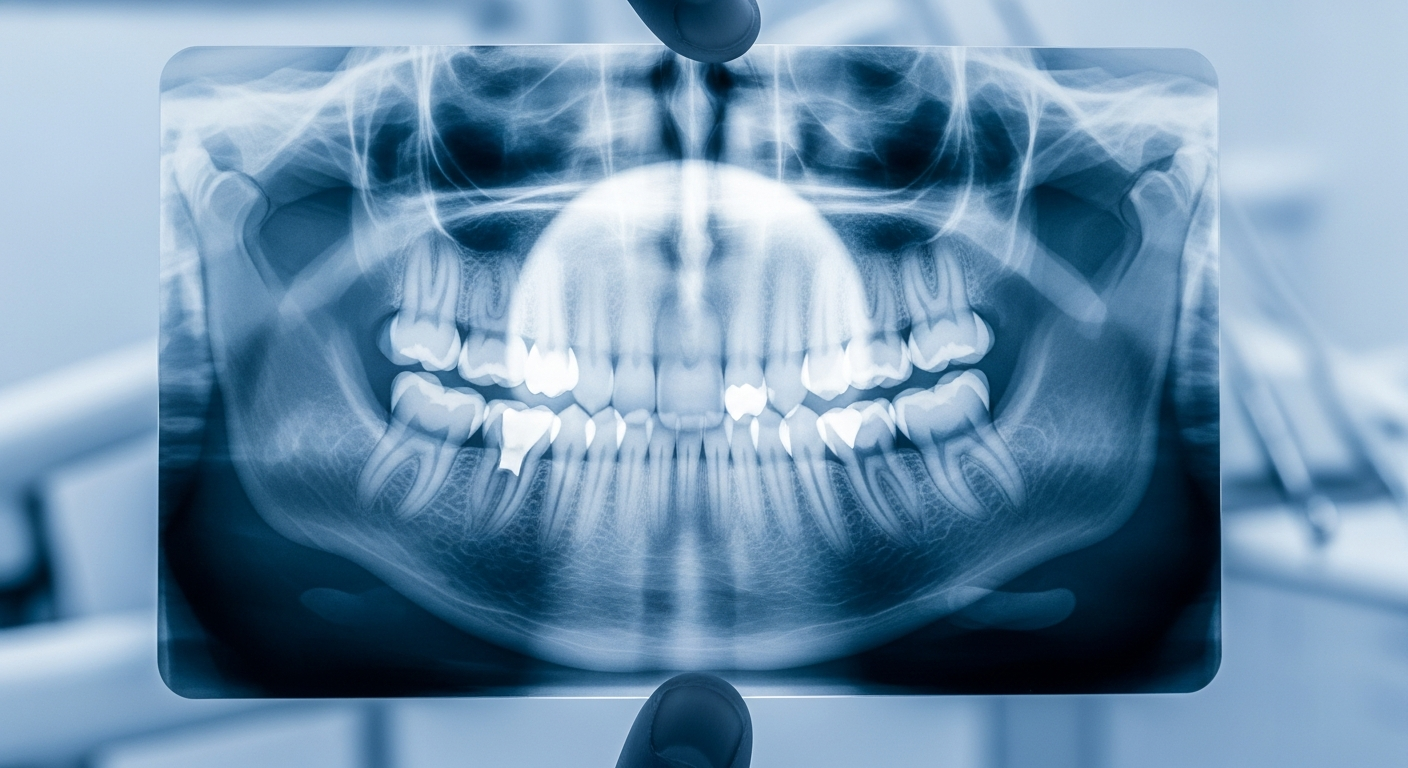
Wisdom Teeth Removal in Amstelveen: What to Expect
Wisdom teeth — the third molars at the very back of your mouth — typically appear between the ages of 17 and 25. For many people, they cause no problems and can be left alone. For others, they become a source of pain, infection, or crowding that requires removal. At Dentinn Amstelveen, Dr. Diren Demirci handles wisdom tooth assessments and extractions with precision and care. If you experience sudden or severe pain, our emergency dentistry team is available for urgent appointments.
This guide explains when removal is necessary, what the procedure involves, and how to recover smoothly.
Why Do Wisdom Teeth Cause Problems?
Modern human jaws are often too small to accommodate a third set of molars. When there isn't enough space, wisdom teeth can:
- Become impacted — stuck beneath the gum or partially erupted, unable to come through fully
- Grow at an angle — pushing against the neighbouring second molar
- Create a flap of gum tissue (pericoronitis) — a pocket that traps food and bacteria, leading to repeated infections
- Contribute to crowding — putting pressure on other teeth, although this is debated
- Develop decay — partially erupted wisdom teeth are notoriously difficult to clean and highly susceptible to cavities
Signs You May Need Removal
Not all wisdom teeth need to come out. Common signs that removal is appropriate:
- Pain at the back of the jaw, especially around an erupting or partially erupted tooth
- Swollen, red, or bleeding gum around the tooth
- Repeated infections or bad taste in the area
- Decay in the wisdom tooth itself (that cannot be satisfactorily restored)
- Decay in the adjacent second molar caused by the wisdom tooth pressing against it
- Cyst formation around an impacted tooth — rare but serious
When Monitoring Is Sufficient
Wisdom teeth that have fully erupted, are properly positioned, and can be cleaned thoroughly do not need to be removed. We assess them at each regular dental check-up and monitor any changes over time with X-rays. Read more about what happens at a check-up at Dentinn.
The Extraction Procedure at Dentinn
Wisdom tooth removal at Dentinn is performed under local anaesthesia — you will be awake but completely numb in the area. Here is what typically happens:
1. X-ray review: we review the exact position, angle, and root shape of the tooth
2. Anaesthetic: the area is numbed with a local injection. You may feel pressure but not pain
3. Loosening: the dentist widens the tooth socket and loosens the tooth using dental instruments
4. Removal: the tooth is extracted — sometimes in sections if it is impacted or has curved roots
5. Closure: the socket may be sutured (stitched) and gauze is placed to encourage clotting
Simple extractions take 15–30 minutes. Impacted or complex cases take longer. For patients with significant anxiety, sedation options can be discussed.
Recovery: What to Expect in the Days After
The first 48–72 hours are when most discomfort and swelling occur. What to expect and how to manage:
- Pain and swelling: expected and normal. Use ibuprofen and/or paracetamol as directed. A cold pack on the cheek (20 minutes on, 20 minutes off) reduces swelling
- Bleeding: some oozing for the first few hours is normal. Bite down on the gauze provided; replace if needed. Avoid rinsing vigorously for the first 24 hours
- Diet: stick to soft foods for the first 2–3 days — soup, yoghurt, scrambled eggs, mashed potato. Avoid hard, crunchy, or chewy foods
- Avoid smoking and alcohol for at least 48 hours — both significantly impair healing
- Avoid a straw: the sucking motion can dislodge the clot in the socket (causing dry socket — a painful complication)
- Oral hygiene: brush gently around the area from day 2. Rinse with warm salt water from day 2 onwards to keep the socket clean
Dry Socket: The Main Complication to Know About
Dry socket (alveolitis) occurs when the blood clot that forms in the socket is dislodged or dissolves prematurely, exposing the underlying bone. It causes intense, throbbing pain typically starting 2–4 days after extraction — often worse than the original toothache. Read our article on tooth pain and when to see a dentist for more on managing dental pain. Contact Dentinn immediately if you experience this. Treatment is simple and effective: the socket is flushed clean and a medicated dressing is placed.
Cost and Insurance in the Netherlands
Wisdom tooth extractions are generally covered by the basic health insurance (basisverzekering) when they are clinically necessary. Complex surgical extractions may require a referral to an oral surgeon. If a tooth is lost and you are considering a replacement, dental implants are the gold standard option. Dentinn will advise you on coverage before proceeding.
Missing a Tooth After Extraction? Ask About Implants
Our implantologist Dr. Diren Demirci offers Straumann dental implants — the gold standard replacement for missing teeth.
View Our Implant Offer →Frequently Asked Questions
Most patients feel significantly better within 3–5 days. Full healing of the socket takes several weeks, but discomfort is usually minimal after the first week.
📍 Dentinn Dental Clinic — Biesbosch 217, 1181 JC Amstelveen. Serving patients from Amsterdam, Diemen, and Aalsmeer. Book your assessment today.